The Agentic Transformation of Security Operations

Why security teams must move beyond visibility to guided autonomy, and how AI agents make sustainable execution possible.

We See You.
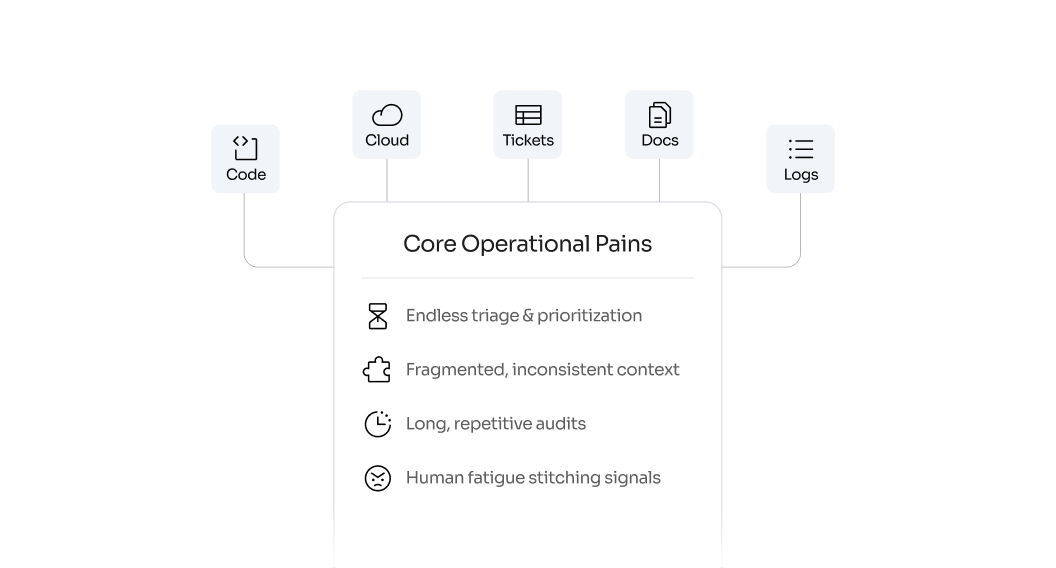
Detection Tools Leave You With All the Work.

Dashboards and scanners create visibility — not capacity.

They leave practitioners with endless tasks: triage, validation, prioritization, remediation, evidence collection, policy enforcement.

The problem isn’t detection. The problem is execution.And execution has never been automated… until now.
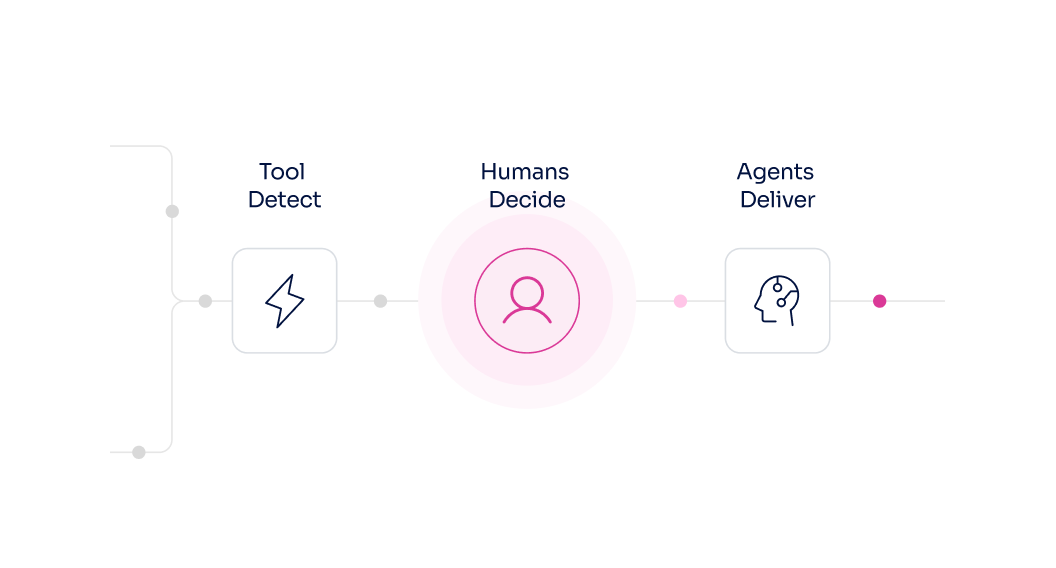

Tools Detect.
Humans Decide.
Agents Deliver.

Jit transforms manual security labor into scalable, continuous execution.

Agents understand your environment, your architecture, your policies — and act accordingly.

This shifts Product Security from static posture to continuous, autonomous execution.

How We Build It Together

Jit dedicates Velocity Engineers to every customer. Our team works hands on with you, to unlock the operational transformation.

Together we will map out the key processes you execute and the data pipelines needed to support them, we will help you design agents that are custom built for your environment and see through the implementation process until we see that smile of amazement on your face.

Get Hours Back.
Humans Decide. 

Agents Do the Work.

Jit automates everything between detection and done  turning high-volume, repetitive tasks into fast, safe, trusted execution.

Your team gets time back.
Your backlog gets smaller.
Your outcomes get faster.

The Agentic Revolution: Building Security Teams of the Future

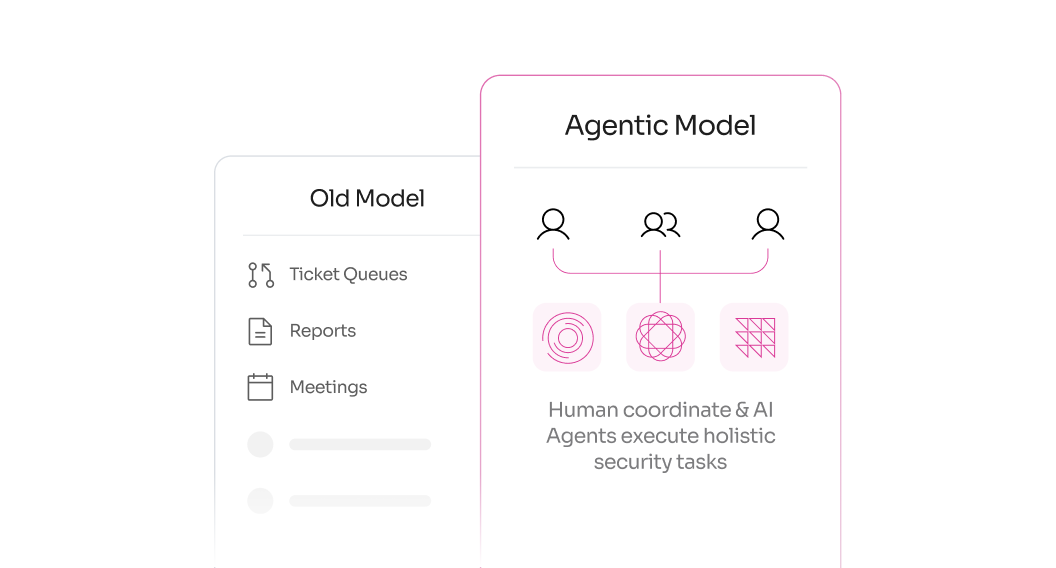
Guided Autonomy is the new operating model for security.

  • Humans focus on strategy, oversight, and policy.
  • Agents execute the work — consistently, safely, and with full audit ability.
  • The result: stronger security, reduced burnout, and a sustainable execution model.

Natural language interface for open-ended enterprise data tasks.

Humans manage purpose-built agents executing holistic security tasks.

Decisions are generated with explainable, auditable and low-latency execution.